

Your Trusted Minneapolis Roofing and Remodeling Contractors
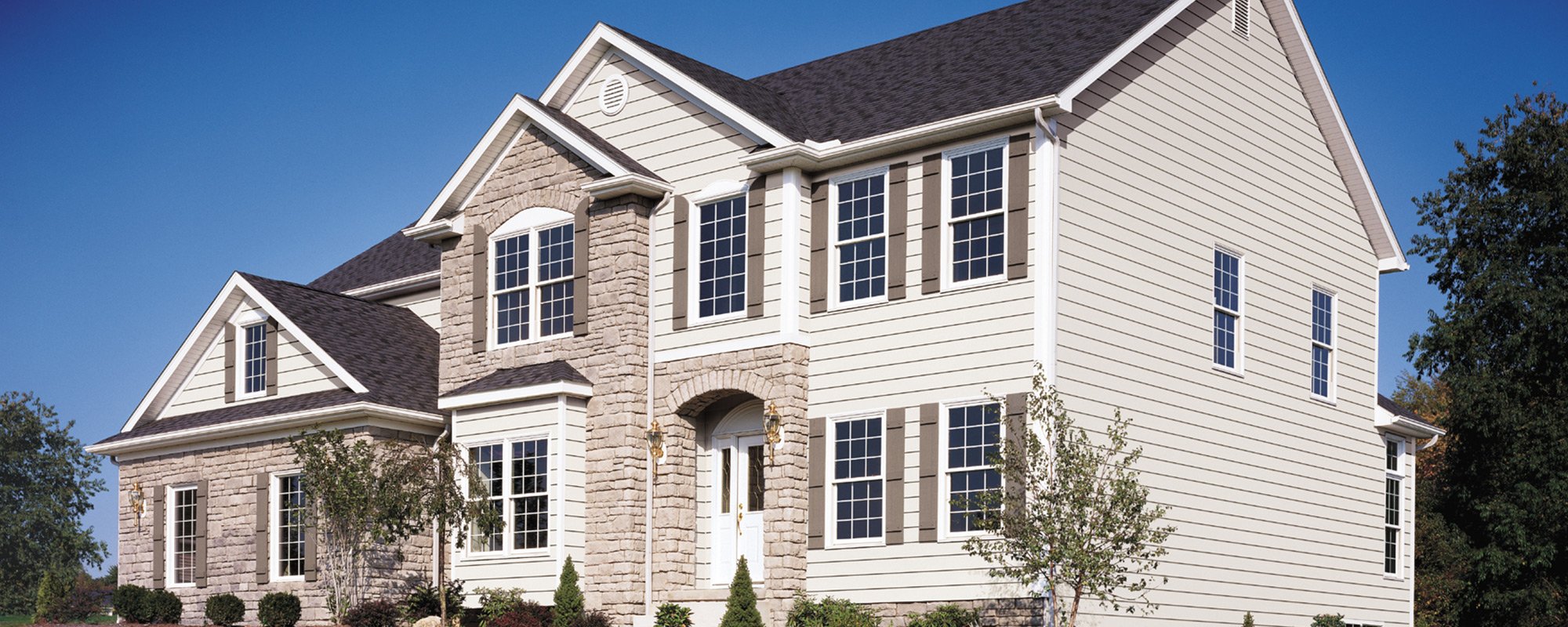
Since 2001, All City Improvements and our Minneapolis roofing contractors and home remodeling specialists have proudly served local residents and businesses. Our professionals have the knowledge, skill, and experience necessary to help you keep your roofing system in the best condition possible at all times. We are adept at installing are repairing siding, seamless gutters, and replacement windows. Our team is routinely called upon to assist property owners and managers with rehab services prior to listing residential and commercial properties for sale.
In every service that we provide, our professionals are focused on maximizing customer satisfaction. We keep an open dialogue with all of our clients. Our experts will provide you with the advice and information that you need to know at every stage of our efforts. Together, we can make the most impactful and rewarding improvements to your home or business.
Call All City Improvements today if you need to hire a professionally licensed remodeling or roofing contractor in Minneapolis. Our courteous and polite staff is ready and eager to assist you in any way that we can. Our knowledgeable experts would be happy to answer any questions that you may have about our services. We can schedule your appointment today.
Roofing Installations and Repairs in Minneapolis
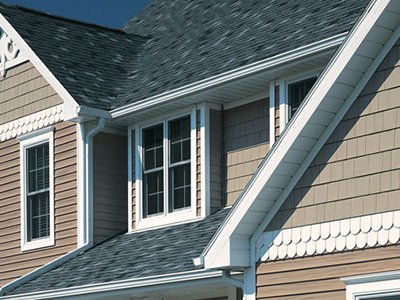
At some point in time, every roof needs to be replaced. Knowing when to repair or replace a roof can be difficult without expert assistance. Our Minneapolis roofing contractors can guide you through every phase of this effort. We can inspect the current state of your roof to determine what is the best course of action. Our experts work with the highest quality materials made by the top manufacturers. Your new roof will provide your home or business with protection for the long term. Your property will look fantastic.
After our Minneapolis roofers install your roof, we will always be available to help you maintain it. We specialize in both routine maintenance and emergency roof repair services. Through our routine roof inspection services, our roofing contractors can find and repair problems when they are slight. Through our extensive roof repairs and storm damage restoration services, our team can resolve the most significant problems. If you need any services related to roofing in Minneapolis, give our team a call today.
Seamless Gutters Providing Exceptional Protection
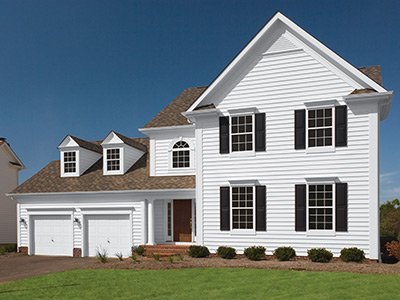
The gutters around your home or business are extremely important to your property as a whole. They safely channel water from the surface of your roof to a proper distance away from your property. Our Minneapolis roofing contractors specialize in installing and maintaining seamless gutter systems. These gutters are specifically customized to your property. They are less likely to clog and are easier to maintain.

Replacement Window Add Value to Your Property
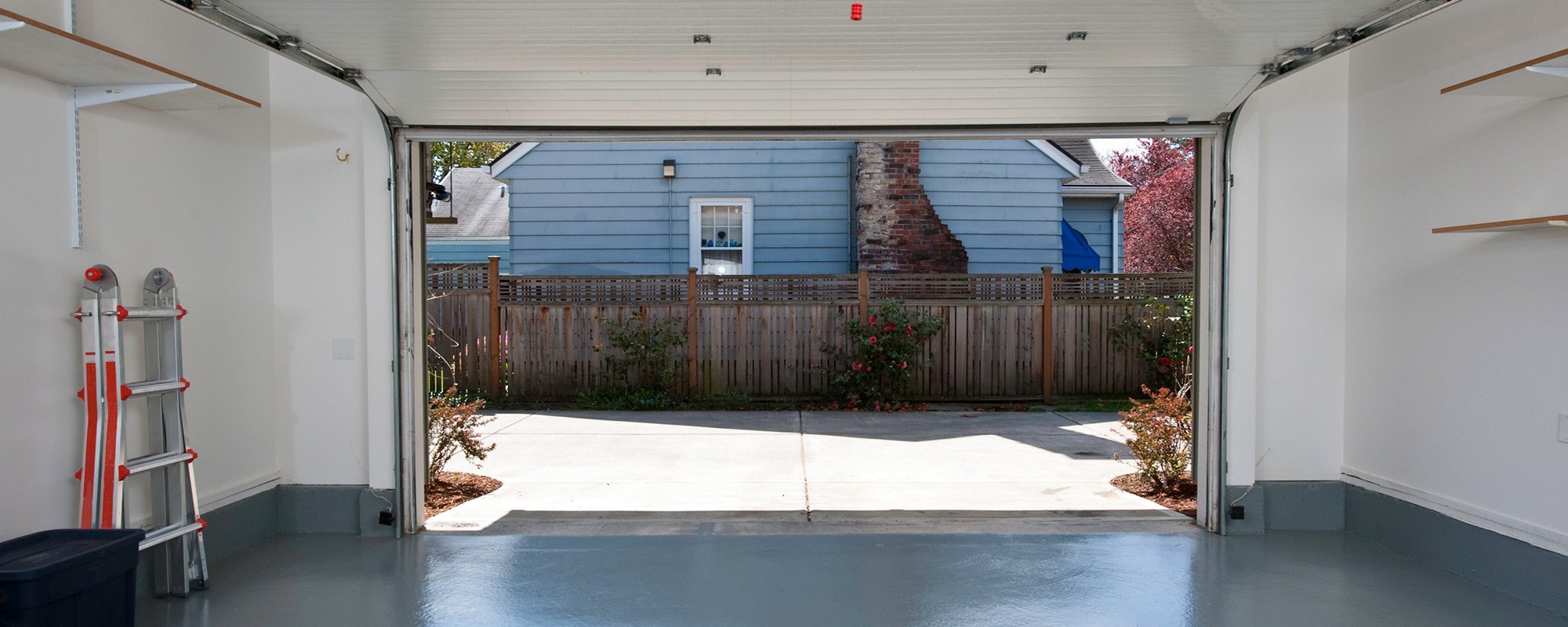
In this day and age of high energy prices, any change that we can make to our properties that reduces the amount of electricity that we consume is an absolute plus. One of the most popular was to make a home more energy efficient is to install replacement windows. Our Minneapolis remodeling contractors can help you navigate the market so that you choose best possible windows for your unique needs. You are guaranteed to be pleased with the reduced monthly energy bills and the added value to your property. We can also assist you with a variety of other home remodeling services, including siding replacement, garage building, and whole home remodeling.
Why Choose All City Improvements
As a family owned and operated business, All City Improvements and our Minneapolis roofing contractors understand the importance of your property. We are humbled by the fact that so many local residents and business owners have trusted us over the last two decades. When you hire us for your next roofing or remodeling project, our team will honor your trust by providing you with the highest quality and most customized services possible. You will always know who to trust in the future.
Roofing & Remodeling Services We Proudly Offer:
Recent Articles
- Current Remodeling Trends That Will Motivate You To Get Started - When it’s time to hire remodeling contractors, it means you already have an idea of what you want to do to your home. Yet, for many homeowners, the common trend has been to have only a vague idea … Read More
- 5 Things To Consider About Garage Building In Minneapolis - You're done without having a good place to park the car or work on your hobbies for long enough, so now you're planning a garage building project in Minneapolis? No matter what you plan to do with the space, there are a few things you'll want to know about garage building … Read More