What Homeowners Should Know About Siding Damage After Severe Weather: Siding Repair in Blaine, MN
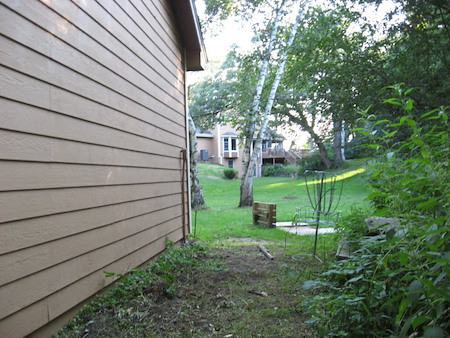
In Blaine, MN, fast spring storms, summer hail, and winter freeze–thaw cycles can push your exterior to its limits. If your siding took a hit, you want clear next steps that protect your home’s structure and curb appeal. This guide explains how storms actually damage siding, what a pro looks for, and how siding repair services bring your home back to pre-storm condition. For many neighbors in The Lakes, Club West, and near Highway 65, timely action after a storm can prevent small issues from spreading.
When you need a trusted local team for siding repair in Blaine, MN, All City Improvements is here to help. You get a thorough assessment, straight answers, and workmanship that stands up to Minnesota weather.
Why Siding Repair in Blaine, MN Matters After Severe Weather
Storms often damage more than the eye can see. Wind lifts panels and stresses fasteners. Hail bruises or cracks finishes, which can let moisture travel behind the siding. Repeated freeze–thaw expands small gaps into bigger ones. Left alone, these problems can lead to wet sheathing, peeling paint inside, and energy loss.
Quick, professional repair limits water intrusion and protects insulation and framing. It also preserves color consistency and keeps your home looking cared for in every season.
Common Storm Damage You Can See From The Ground
You do not need to climb a ladder to notice warning signs. Walk your property after it is safe and look from different angles in daylight.
- Chips, cracks, punctures, or split edges on vinyl or aluminum panels
- Loose, flapping, or missing sections along corners and gables
- Dents or pockmarks on softer materials near the west and south walls
- Warping, buckling, or oil-canning that wasn’t there before the storm
- Discoloration lines where panels shifted and exposed sun-faded areas
- Moisture stains on soffits, window trim, or inside walls after heavy rain
Avoid climbing ladders right after a storm. Surfaces can be slick, and hidden damage can make footing unsafe. Keep photos and notes from the ground to share with your contractor and insurer.
Local insight: In Blaine, hail often rides in on northwest winds. Damage commonly shows first on west- and south-facing elevations. A quick check of those sides after a storm helps you catch issues early.
How Storms Damage Different Siding Materials
Not all siding reacts the same way to severe weather. Knowing the typical patterns helps you understand your repair plan.
- Vinyl: Prone to cracks, chips, and punctures from hail; can become brittle with age and cold.
- Fiber cement: Resists hail well but can show paint chipping and edge damage from flying debris.
- Engineered wood or wood lap: Look for impact dents, cracked paint, and moisture wicking at butt joints.
- Aluminum: Susceptible to denting and creasing; finish may scuff or chalk after hail.
Do not ignore punctures or missing panels. Even small openings can channel wind-driven rain behind the system and create slow leaks that are costly to find later.
What A Professional Siding Inspection Includes
A reliable contractor checks more than the obvious. Expect a methodical, exterior-to-interior review designed to verify the true scope of damage. A detailed inspection often includes:
1) Elevation-by-elevation review of impact marks, splits, loosened nails, and distorted starter strips. 2) Checks at corners, J-channels, and window/door trim where wind pressure is highest. 3) Moisture scanning or probing at suspect areas to rule out hidden leaks. 4) Attic or interior spot checks when outside findings suggest water entry.
After that, you should receive a written summary, clear photos, and a repair plan that addresses materials, color matching, and sequencing with any roof or gutter work.
Repair Or Replace: Making The Right Call
Whether your home needs targeted fixes or a full re-skin depends on the size of the affected area, the age of the material, and color availability. If the impact is limited to a small section and your color and profile are still produced, repair is often the best path. If damage is widespread, or the color is discontinued and cannot be blended cleanly, replacement may keep the exterior consistent and protect resale value.
Think about:
- Continuity: Will repaired sections blend with the rest after sun fade and weathering?
- Underlying issues: Has wind or water compromised the sheathing or housewrap?
- Future storms: Would a material upgrade improve performance in hail and temperature swings?
Ask for photos and sample pieces before work begins. Seeing the match up front builds confidence and avoids surprises.
Working With Insurance After Hail Or High Winds
Documentation matters. Take clear, date-stamped photos of every elevation and any interior signs of moisture. Keep a simple log of the storm date, what you noticed, and who you spoke with. A qualified contractor can provide a written inspection, help organize images, and outline repairs in a way that speaks the same language as an adjuster.
Many homeowners find it helpful to review general storm guidance, like this practical read on hail damage restoration. While every policy is different, being organized speeds decisions and reduces back-and-forth.
Act within your policy timeline for storm claims. Waiting too long can make it harder to document cause and scope.
Coordinating Siding, Roofing, And Gutters After A Storm
Storms rarely hit just one part of the exterior. If your roof, gutters, and siding all show issues, sequence matters. Many projects start with the roof, then damaged fascia or gutters, then siding and trim. This order protects newly repaired sections and prevents do-overs. If hail was the main culprit, learn how our team handles full exterior events through our page on hail damage repairs.
What To Expect From All City Improvements During Siding Repair
You can count on a clean, predictable process. First, our team confirms scope and materials, including color and profile. Next, we schedule work around weather and keep you updated each day. We protect landscaping, remove damaged sections, and install new components to manufacturer guidelines. Flashing, trim, and sealant details get special attention so water stays out where it belongs.
When panels are up, we inspect everything again with you present. You receive photos, care notes tailored to Minnesota seasons, and a warranty overview. If the storm affected adjacent systems, we coordinate with roofing and window crews to keep the schedule tight and tidy.
Local Patterns: Blaine’s Weather And Neighborhood Considerations
Blaine sits in the path of fast-moving cells that can bring quarter-size hail and straight-line winds. Homes around The Lakes and Club West often have wide, wind-exposed gables, while mature trees near older streets can add debris strikes. South- and west-facing walls usually take the brunt of summer storms, and north walls show more freeze–thaw stress in winter. A professional inspection accounts for these patterns so your repair plan targets the most at-risk spots first.
Choosing Materials That Stand Up To Minnesota Storms
Ask about products designed for impact resistance and thermal movement. Modern vinyl lines manage expansion better than older panels. Fiber cement resists hail well and holds paint when installed to spec. Metal accents are durable when properly flashed and backed. The right choice depends on your home’s style, your maintenance preferences, and how long you plan to stay.
For guidance that fits your goals and timeline, talk with the team at All City Improvements or visit our page on storm damage to see how we coordinate multi-trade repairs.
Ready To Restore Your Siding The Right Way?
If the last storm left marks on your exterior, start with a professional inspection and a clear plan. Our team at All City Improvements specializes in precise, code-compliant repairs that blend well and protect the structure behind your walls. Learn how we approach matching, sequencing, and long-lasting fixes on our professional siding repair page, or call 763-439-4300 to schedule your assessment today.
Your home protects everything inside it. With skilled help and the right materials, it will look great and perform even better when the next system rolls through Blaine.
Reach Out To Our Minneapolis Roofing Contractor Or Home Remodeler Today For An Estimate!