What to Do After a Storm Causes Visible Damage to Your Roof or Exterior: Storm Damage Repair in Anoka, MN
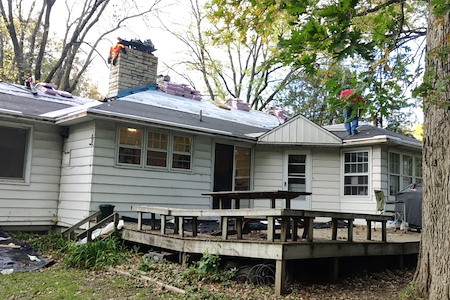
When severe weather sweeps through Anoka, MN, it is common to spot missing shingles, dented gutters, or loose siding the next morning. If you can see clear damage from the ground or through a window, your home needs attention right away. The fastest path to a safe, lasting fix is to work with a local pro who specializes in storm damage services and can guide you through documentation and insurance steps.
This guide walks you through a calm, practical plan that protects your family, your property, and your claim. You will learn how to document what you see without taking risks, who to call first, and why quick action matters in our North Metro climate.
Stay Safe And Make A Calm Plan
Safety comes first. If you see downed power lines, structural movement, or active leaks near lights or outlets, keep people and pets away from those areas. Turn off affected circuits only if it is safe to do so from an indoor panel. Then step back, breathe, and make a simple action list.
Do not climb onto the roof and do not remove debris from ladders. Even seemingly stable surfaces can be slick after rain or hail. Wind can shift materials when you least expect it, and loose shingles or metal edges can cause injuries.
Spot The Most Common Signs Of Roof And Exterior Damage
You never need to go on the roof to notice obvious issues. From the ground or from inside the home, look for patterns that suggest impact or wind lift. Use your eyes only and keep your distance.
- shingles that look torn, creased, or missing in sections
- granules piled in downspouts or at the base of the splash block
- dented gutters, bent fascia, or loose soffits
- cracked, loose, or punctured siding panels
- water spots on ceilings or around window heads after the storm
- damaged screens or metal flashings with visible dings
These surface clues help a professional zero in on the most vulnerable areas during a post storm home inspection. If you can see sunlight in the attic, smell damp insulation, or notice new stains along exterior walls, share that with your contractor when you call.
Document What You See Without Putting Yourself At Risk
Clear records support an insurance claim for roof damage and exterior storm damage. Use your phone from ground level or from inside the home. Capture wide shots of each side of the house, then closer images of any dents or missing materials. Time-stamped photos and short videos are enough for your first report.
For a simple, homeowner-friendly checklist, you can review our roof storm damage checklist. It mirrors what local inspectors look for, and it helps you keep notes organized without stepping into unsafe areas.
Take photos only if it is safe to do so. If there is lightning, pooling water near outlets, or debris that looks unstable, stay clear and wait for a professional.
Who To Call First And What To Say
Call a trusted local roofing and exterior contractor before you contact your insurer. A qualified inspection will confirm whether your roof storm damage rises to the level of a claim and will give you plain-language notes and photos to share. This often makes your conversation with the adjuster faster and clearer.
When you speak with your insurer, describe only what you can see safely from the ground or indoors. Ask for your claim number, the adjuster’s name, and any required documentation. Let them know a licensed contractor will be present or available to discuss findings during the adjuster visit.
If you need a starting point, many homeowners use storm damage repair in Anoka, MN as their first call to connect with a local team that understands North Metro weather patterns and insurer expectations.
Why Speed Matters In Anoka, MN
In our river community, storms can roll in quickly and repeat within days. When materials are cracked or lifted, even a light shower can push water under the roof surface or behind siding. Moisture that sneaks inside can show up later as bubbling paint, musty smells, or attic staining. Quick action protects your home and limits follow-up work.
Fast scheduling also helps with supply and crew availability during busy storm cycles. The sooner you have a qualified report in hand, the sooner you can align with your adjuster and start restoration. Prompt attention reduces the chance that minor roof storm damage turns into ceiling repairs or insulation replacement.
How All City Improvements Supports Your Insurance Process
Homeowners often feel unsure about the right order of steps after a major wind or hail event. Our role is to bring clarity. A dedicated project lead can coordinate your post storm home inspection, gather photos, and provide written findings tailored to your policy requirements. We also help you prepare for the adjuster visit with organized notes, marked photos, and a simple scope of recommended storm restoration services.
Avoid door-to-door storm chasers who pressure you to sign paperwork on the spot. Choose a local partner with a verifiable address, references in Anoka County, and full credentials. You want a team that will still be here for follow-up care long after the storm headlines fade.
What To Gather Before The Adjuster Visit
Having a small packet of records ready will streamline your claim review. Keep everything in a folder or in a single digital note. Share only copies with third parties and store your originals safely.
- your policy number and claims contact information
- a simple list of visible issues by side of home
- clear photos or videos labeled by date and location
- receipts for emergency cleanup or temporary lodging if applicable
- contact info for your contractor and proposed inspection time
Keep all receipts related to the storm. Insurers often ask for proof of immediate needs tied to the event, and organized records prevent delays.
Roof, Siding, And Gutter Issues That Travel In Packs
Storms rarely impact just one part of a home. Shingle lift can allow water to run behind the drip edge and stain fascia. Hail can dent gutters and dislodge granules that collect in downspouts. Wind can loosen siding panels on the same wall where shingles tore away. During your inspection, your contractor will check how these systems meet and move water so repairs work together, not in isolation.
If your inspector recommends follow-up service, it is common to pair targeted fixes with broader roof repair so the whole system performs well in the next big rain. Addressing connections around chimneys, skylights, and wall transitions at the same time helps protect your investment.
Hail Damage Roof Concerns In The North Metro
Hail can bruise shingles, crack siding, and dent metal components. Even when the roof still looks mostly intact from the yard, hidden impact marks can loosen granules and shorten material life. A thorough inspection looks at more than shingle surfaces. Pros check soft metals, vents, and flashing where hail signs show up first.
If your home took the brunt of a cell that tracked along Highway 10 or near the Rum River corridor, mention that path when you call. Local context helps the inspector plan where to focus. It also gives your adjuster a clear picture of why one side of your home saw more damage.
Emergency Roof Repair Versus Full Restoration
Some homes need quick makesafe steps to keep water out until permanent work begins. Your contractor will coordinate any temporary protection that may be appropriate and safe while documentation continues. From there, your storm restoration plan will spell out permanent roof, siding, or gutter work so you know what to expect.
The goal is a clean, written scope that aligns with your policy and restores both function and curb appeal. In many cases that includes material matching for visible surfaces so repairs blend well with the rest of your exterior.
When Your Home Is Clearly Damaged, What Happens Next
Once your adjuster reviews the file, you will receive a summary of approved work. Confirm that the written estimate reflects all storm-related items. Ask your contractor to compare the scope to field photos so nothing gets missed. Good communication here avoids surprises during build-out day.
Schedule your project when materials and weather line up. Crews will protect landscaping, remove damaged components, and install approved materials. Final cleanup and a walkthrough complete the job. Keep a copy of your warranty documents and your final invoice with your insurance paperwork.
Why Choose All City Improvements In Anoka, MN
As a local home improvements team serving the North Metro, we understand seasonal patterns and common building details in Anoka’s neighborhoods. Our inspectors focus on practical solutions, clear schedules, and steady communication. We show up when we say we will, document what we find, and coordinate with your adjuster so work can move forward without drama.
If you already see visible wind or hail issues, it helps to start here: schedule a professional assessment through our storm damage services page and share the photos you have. We will take it from there and outline the right next steps for your home.
Get Trusted Storm Damage Repair In Anoka, MN
Visible roof storm damage or exterior storm damage should never wait for the next rain. Reach out to All City Improvements for a thorough, safety-first inspection and a clear restoration plan that aligns with your insurance guidelines. Call us at 763-439-4300 or start with our detailed storm damage page to request an appointment. We are ready to help you protect your home and move forward with confidence.
Reach Out To Our Minneapolis Roofing Contractor Or Home Remodeler Today For An Estimate!